
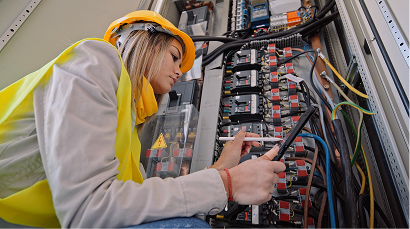
Is Being an Electrician Only for Men? A Guide to Electrician Training for Women
The skilled trades are no longer a "man's world"—women are breaking barriers, leading crews, and building futures in fields like electrical work. If you're a woman considering women electrician training or a female electrician apprenticeship, you're entering a high-demand career with strong pay, job security, and the chance to make an impact. In this guide, we'll explore why electrician training is a smart choice for women in 2026, the growing opportunities, and how to get started with woman electrician training. Whether you're career-changing or just starting out, this path offers empowerment, flexibility, and endless growth.
Why Women Are Thriving in Electrician Roles
Women bring unique strengths to the trades—precision, problem-solving, and attention to detail—that shine in electrical work. Historically underrepresented (only about 2-3% of electricians are women per the Bureau of Labor Statistics), female electricians are now in high demand as companies prioritize diversity and innovation. Roles involve wiring systems, troubleshooting circuits, and installing smart tech, often in safer, indoor environments like data centers or renewable energy projects.
Benefits for women include:
- Flexible Schedules: Many roles offer part-time or shift work, ideal for balancing family or other commitments.
- High Pay Without Debt: Median salary hits $60,000+, with top earners over $100,000—no four-year degree required. Moreover, the gender pay gap in construction and trades is one of the smallest, with women earning about 95% of what men do, compared to 81% in other sectors. In the trades, pay is often merit-based—it's about whether you can do the work. If you're a hands-on DIY person who will get the job done, this career is for you.
- Supportive Communities: Groups like Women in HVACR and IBEW's women's committees provide mentorship and networking.
- Job Satisfaction: Hands-on work with tangible results, plus the pride of powering America's future.
As AI and renewables boom, women electrician training equips you for specialized roles in EV infrastructure, solar, and smart grids.
The Demand for Female Electricians in 2026
The electrical trade is surging—expected to grow 6% by 2032, adding 73,500 jobs annually. Women are key to filling the gap, with initiatives like the 2025 Executive Order training 1 million apprentices. In high-growth areas like Arizona's semiconductor plants (e.g., TSMC), female electricians are sought for low-voltage and controls work. Our job postings analysis shows 20-30% of roles prioritize diversity, with keywords like "female electrician apprenticeship" rising in searches.
Women-led success stories abound—check our women in trades spotlight for inspiration from influencers shattering stereotypes.
How to Get Started: Women Electrician Training
Ready for woman electrician training? Here's a step-by-step guide tailored for women entering the field:
- Assess Your Fit: Take our trade quiz to confirm electrical work aligns with your skills. No prior experience? No problem—many programs start from basics.
- Get Essential Certifications: Build credibility with:
- OSHA 10 for safety (required in most postings).
- CPR/First Aid for on-site readiness.
- Entry-level creds like BICSI for low-voltage systems. Explore our essential certifications for electrical jobs.
- Enroll in Training: Opt for flexible women electrician training programs. Our Electrician Career Accelerator offers online modules on circuits, safety, and controls—perfect for women balancing work and training demands.
- Pursue a Female Electrician Apprenticeship: Earn while learning—programs like IBEW or IEC offer paid training (4-5 years, 8,000 hours). In Texas, get your TDLR Apprentice License for $20; in Arizona, leverage ROC requirements. Check our apprentice electrician guide and apprenticeships page.
- Network and Apply: Join women-focused groups on LinkedIn or X. Use our jobs board to find inclusive employers. Highlight soft skills like communication in resumes.
Training costs? Online options start at $500–$2,000; check financial aid for WIOA grants supporting women in trades.
Pro Tip: Download our Get a Job in 60 Days Kit for resume tips, interview strategies, and networking advice tailored for women in electrical roles.
Challenges and Tips for Women in Electrician Training
Trades can be male-dominated, but challenges like bias or physical demands are surmountable:
- Overcome Stereotypes: Seek women-led apprenticeships or mentors.
- Build Strength Smartly: Focus on technique over brute force—tools like ergonomic gear help.
- Stay Safe: Prioritize OSHA training and supportive gear.
- Network: Follow top women tradies for motivation.
Combine with high-voltage skills for versatility, or specialize in renewables (see energy priorities for electricians).
FAQ: Women Electrician Training Essentials
- Is electrician training suitable for women? Absolutely—focus on programs with women mentors and flexible schedules.
- What's a female electrician apprenticeship? Paid on-the-job training (4-5 years) leading to journeyman status; many are inclusive.
- Do I need experience for women electrician training? No—start with basics like our accelerator program.
- How much do female electricians earn? $45,000–$70,000 entry-level, up to $100,000+ with specialization.
Empower Your Career in the Trades
Women electrician training opens doors to a rewarding, high-paying career in a growing field. With apprenticeships, certifications, and supportive communities, now's the time to plug in.
Explore our Electrician Career Accelerator or browse certifications. Ready to connect? Book a call or check veterans resources if applicable.
For more inspiration, read our hidden skills to get hired.