
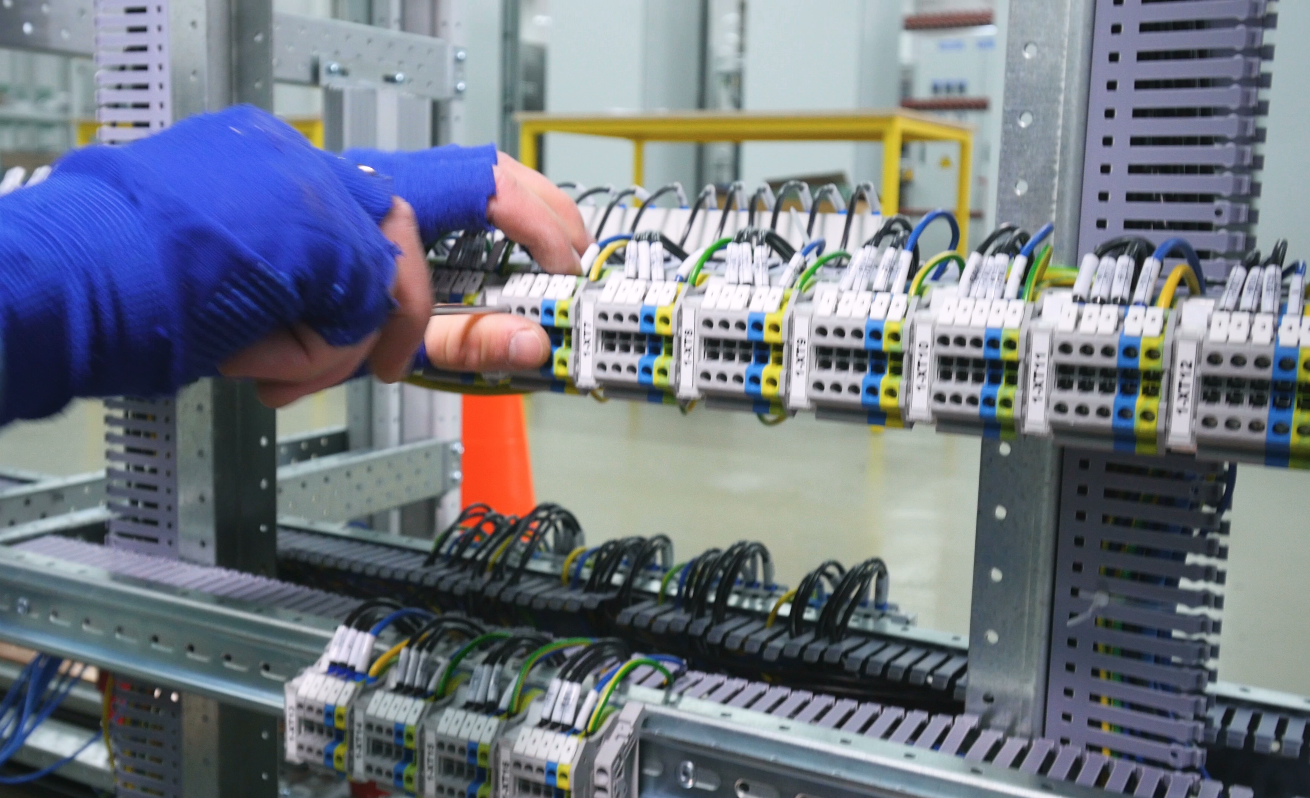
Low Voltage Electrician: The "Hidden" Career Path in High Demand
When most people think of electricians, they picture high-voltage pros wiring homes or fixing power lines—dangerous, high-stakes work that powers our world. But there's a "hidden" side to the electrical trade that's exploding in demand, pays well, and involves less risk: becoming a low voltage electrician. If you're eyeing a career in the trades but want something specialized, tech-forward, and future-proof, this path might be your perfect fit. In this guide, we'll break down what a low voltage electrician does, why it's a smart choice in 2025, and how to get started with low voltage electrician training.
What Is a Low Voltage Electrician?
A low voltage electrician works with electrical systems operating under 50 volts—think data cables, security systems, smart home tech, and HVAC controls. Unlike traditional electricians dealing with high-power circuits, low voltage pros focus on the "brains" of modern buildings: installing fiber optics for high-speed internet, setting up surveillance cameras, or integrating IoT devices for energy-efficient homes and offices.
This role blends electrical know-how with technology, making it ideal for those who love gadgets and problem-solving. Common tasks include:
- Installing and troubleshooting network cabling (e.g., Cat6 or fiber optics).
- Setting up audio-visual systems for homes or businesses.
- Integrating HVAC controls for smart climate management.
- Configuring security and access control systems.
Why "hidden"? It's less flashy than climbing power poles, but it's essential in our connected world. With the rise of smart cities, remote work, and green buildings, demand for specialized electrician training in low voltage is surging.
Why Choose Low Voltage as Your Career Path?
The electrical field is booming—projected to grow 7% by 2031 per the Bureau of Labor Statistics—but low voltage stands out for its unique perks:
- High Earning Potential: Entry-level salaries start around $45,000–$60,000, with experienced pros earning $70,000+ in tech-heavy areas like Arizona's semiconductor hubs. Specializing in HVAC controls training can boost this further, as energy efficiency becomes a priority.
- Lower Risk: No dealing with lethal high voltages—safety is still key (think OSHA 10 certification), but the hazards are reduced.
- Job Security and Growth: Tech integration in buildings means endless opportunities. From AI data centers to EV charging stations, low voltage skills are in demand. Plus, with labor shortages, employers are hungry for trained talent.
- Flexibility: Work indoors in offices, data centers, or homes. Many roles offer travel or remote troubleshooting options.
- Quick Entry: Unlike four-year degrees, you can start with targeted low voltage electrician training and be job-ready in months.
Compared to general electrical work, low voltage is more niche and tech-oriented—perfect if you're into innovation without the full intensity of high-voltage jobs.
The Demand for Low Voltage Skills in 2025
America's infrastructure is going digital. The 2025 Executive Order on apprenticeships aims to train 1 million workers, with a focus on tech-enabled trades. In states like Arizona, projects like TSMC's semiconductor plants are creating thousands of roles needing specialized electrician training. Low voltage electricians are key to wiring these facilities for data, automation, and HVAC controls.
Our analysis of job postings shows:
- Over 30% of electrical jobs now require low voltage expertise.
- Keywords like "network cabling" and "HVAC controls training" appear in high-volume searches.
- Entry-level positions often prioritize certifications over years of experience.
With AI and renewables on the rise, low voltage isn't just hidden—it's the future. (For more on electrical careers, check our apprentice electrician guide.)
The 2025 Landscape: Tools and Tech Driving Low Voltage
Low voltage work is evolving with tech. Tools like cable testers, fusion splicers, and smart diagnostic apps are standard. In 2025, expect more integration with AI for predictive maintenance and blockchain for secure networks. This makes low voltage electrician training a gateway to cutting-edge roles.
How to Get Started: Low Voltage Electrician Training
Ready to dive in? Here's a step-by-step path to becoming a low voltage electrician:
- Build the Basics: Start with a high school diploma or GED. Courses in math, physics, and tech help.
- Get Certified: Key credentials include:
- OSHA 10 for safety (required in 70–80% of postings).
- BICSI Installer or Technician certifications for cabling.
- HVAC controls training via NATE or similar for climate systems.
- State-specific low voltage licenses (e.g., Texas TDLR or Arizona ROC).
- Pursue Training: Opt for low voltage electrician training programs. Online options like our Electrician Career Accelerator offer flexible, specialized modules on cabling, controls, and smart tech.
- Gain Experience: Join apprenticeships—many low voltage programs offer paid on-the-job training. Check our apprenticeships page for local opportunities.
- Network and Apply: Use our jobs board to find roles. Highlight your training in resumes—employers value proactive learners.
Pro Tip: Download our Get a Job in 60 Days Kit for expert resume templates, interview prep, and strategies to land low voltage roles fast.
Training costs? Online programs start at $500–$2,000, far less than traditional trade school. Plus, with WIOA funding eligibility, you might qualify for aid (see our financial aid resources).
Challenges and Tips for Success
Low voltage work requires precision—small errors in cabling can crash networks. Stay updated with tech trends via ongoing certifications. Pro tip: Combine low voltage with high voltage skills for versatility (explore our essential certifications for electrical jobs).
Women and career-changers: This field is inclusive—check our women in trades spotlight for inspiration.
FAQ: Low Voltage Electrician Basics
- What's the difference from a regular electrician? Low voltage focuses on data/tech systems under 50V; high voltage handles power over 120V.
- Do I need a license? To get started, no. But to work independently or on certain systems in most states, yes—start with specialized electrician training and check local regs.
- How long is training? 3–12 months for basics, plus apprenticeships for hands-on hours.
- Is HVAC controls training part of it? Often yes—it's a hot specialization for energy-efficient buildings.
Power Up Your Future as a Low Voltage Electrician
The "hidden" path of a low voltage electrician offers tech-savvy work, strong pay, and endless growth without the risks of high-voltage roles. With booming demand in smart tech and infrastructure, now's the time to start low voltage electrician training.
Explore our Electrician Career Accelerator for specialized training, or browse certifications like OSHA 10 to stand out. Ready to chat? Book a call with our team today.