
How to Get Into the Trades: A Casual Guide for Aspiring Skilled Workers
Hey there! Curious about how to get into the trades? You’ve landed in the perfect spot. Whether you’re done with desk jobs, uninterested in a four-year degree, or just love working with your hands, a trades career might be your ticket to a fulfilling, well-paid gig. This guide breaks down the steps to kickstart your journey into skilled trades jobs, from picking a trade to getting certified and landing work. We’ll cover the essentials—like training and certifications, including a DIY option—and sprinkle in some real-world inspiration to get you pumped. Ready to explore a hands-on career that’s in high demand? Let’s roll!
What Are the Trades, Anyway?
So, what exactly are the trades? Simply put, skilled trades are jobs where you build, fix, or maintain stuff with your hands. We’re talking electricians, plumbers, carpenters, welders, and HVAC technicians—the folks who keep our world running smoothly. The trades offer a rewarding career path for anyone who enjoys problem-solving and seeing tangible results. Picture this: you could be the one wiring a house, fixing a leaky pipe, or crafting a custom bookshelf. Cool, right?
Why bother? Because skilled trades jobs mean job security, solid paychecks, and the chance to say, “I made that.” No mountains of student debt required—just skills and hustle. For more on why trades are booming, check out our post on Arizona’s Skilled Trades Boom.
Why Choose a Trades Career? (Spoiler: It’s Awesome)
Before we jump into how to get into the trades, let’s talk about why it’s worth it:
- High Demand: There’s a worker shortage, so employers are scrambling for talent. That’s job security in your pocket.
- Great Pay: Many tradespeople out-earn college grads. Electricians, for instance, can pull in $60,000+ a year.
- Hands-On Vibes: Hate cubicles? The trades keep you moving and creating.
- Room to Grow: Start as an apprentice, and you could be your own boss down the line.
Convinced? Let’s get to the good stuff—how to make it happen. If you're wondering about top earners, dive into our Top-Paying Skilled Trades in 2025.
Step 1: Pick Your Trade
With tons of options, the first step is finding a trade that fits you. Here’s a quick rundown of some best trades to learn:
- Electrician: Love gadgets and wiring? Keep the power flowing. Explore our Apprentice Electrician Guide.
- Plumber: Problem-solver who’s cool with pipes? This is your gig.
- Carpenter: Into building stuff from scratch? Carpentry’s calling.
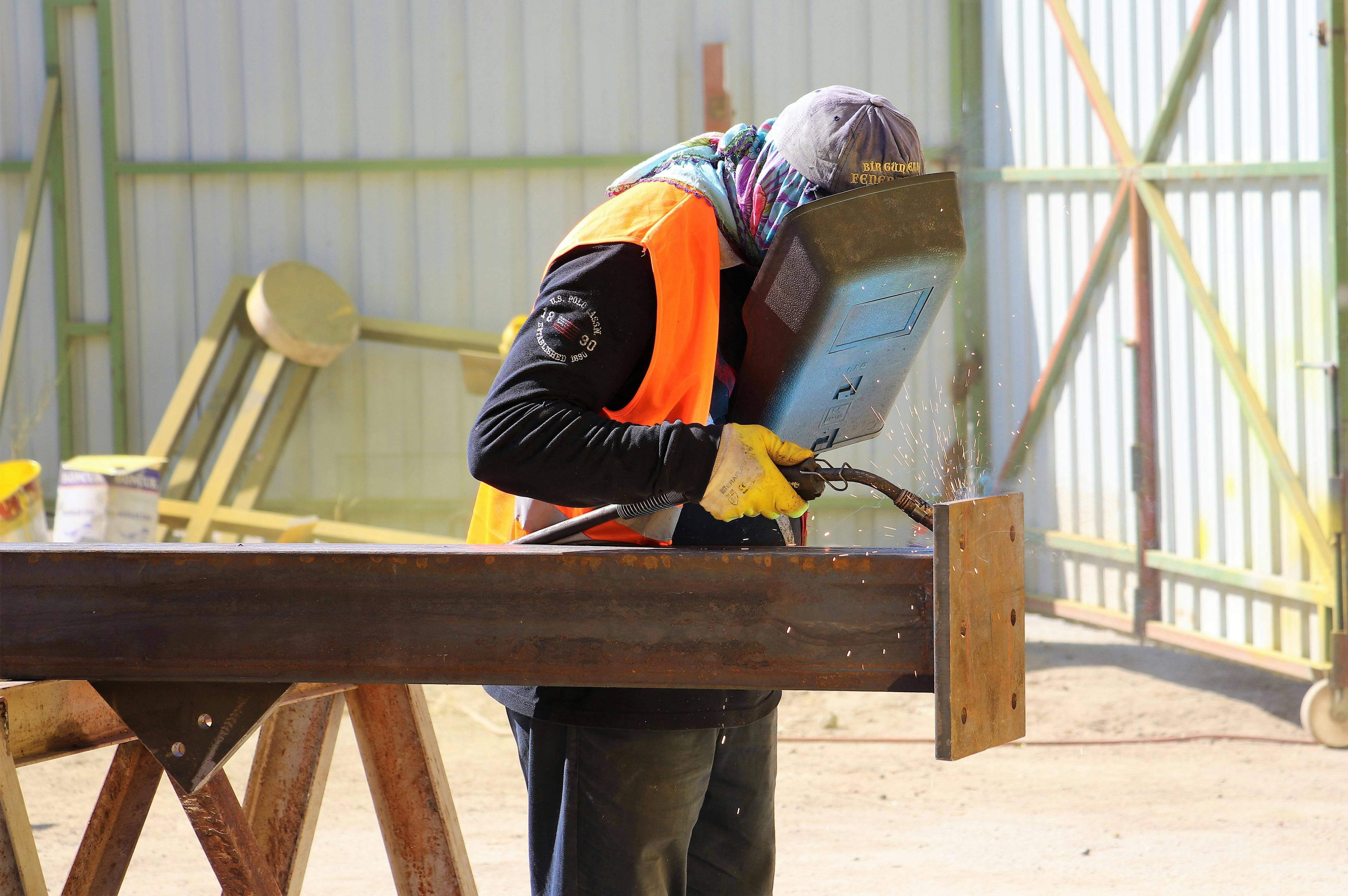
- Welder: Metalwork and precision your thing? Welders are in demand.
- HVAC Technician: Enjoy fixing systems and controlling climates? HVAC’s got you—check out How to Get Into HVAC.
Not sure yet? Search “best trades to learn” or shadow a pro to test the waters. Take our Find Your Trade Quiz for personalized insights!
Step 2: Get Trained Up
Once you’ve got your trade in sight, it’s time to learn the skills. Here’s how:
- Trade Schools: Quick programs (1-2 years) for trades like HVAC or electrical work. Hands-on and to the point. Compare options in our Online vs. In-Person HVAC Training.
- Apprenticeships: Earn while you learn under a seasoned pro. Ideal for plumbing, carpentry, and more. See local options on our Apprenticeships Page.
- Community Colleges: Offer certificates or degrees in trades like welding or auto repair.
- DIY Route: If you’re a self-starter, you can learn through online courses, tutorials, and books. Then, apply for entry-level jobs in fields like HVAC or auto repair. Just be ready to hustle and build your network. Our platform supports this path with study resources and employer connections.
Bonus: Many programs—including the DIY route with the right prep—set you up for trades certification, which is your golden ticket to better jobs. For financial help, explore Financial Aid Resources.
Step 3: Get Certified (Level Up Your Game)
Wondering how to get certified in the trades? Certifications prove you’re legit—and in trades like electricians or plumbers, they’re often required. For others, like HVAC or auto repair, they’re a fast track to higher pay and credibility. Training programs usually prep you for the exams, and if you’re going DIY, there’s plenty of online help to study up. Think of it as your official “I’ve got this” badge. For essentials, read our Ultimate Guide to Trade Certifications or browse Trending Certifications.
Real-World Win: Take Sarah, a 28-year-old who swapped retail for welding. After a 10-month trade school stint and passing her certification, she landed a $50,000-a-year job. Now, she’s welding pipelines and loving the freedom. “It’s hard work, but I’m proud of what I do,” she says. No debt, all reward. Inspired? See more stories in Women in the Trades.
Step 4: Score Your First Trades Job
Skills? Check. Certification? Maybe check. Now, let’s get you working:
- Network: Chat up trade pros, hit local events, or tap your training program for leads.
- Job Boards: Browse Indeed or niche trade sites for openings—check our Jobs Board.
- Apprenticeships: Search local apprenticeship opportunities at union sites and Apprenticeship.gov. For tips, read Pro Tips from Job Descriptions.
The trades reward grit, and once you’re in, the sky’s the limit. Learn more in How to Find the Best Trade Jobs Near You.
FAQ: Quick Answers to Your Questions
Got questions about how to get into the trades? We’ve got you:
Do I need a degree for skilled trades jobs?
Nope! A high school diploma or GED, plus training, is usually enough. Certifications boost your edge.How long does it take to get certified in the trades?
Depends—some take months, others 1-2 years. Apprenticeships (2-5 years) pay you while you learn.What’s the best trade to learn?
Depends on you! Electricians and HVAC techs are hot, but welders and plumbers rock too.Can I learn a trade on my own?
Absolutely! While formal training has its perks, you can definitely go the DIY route with online resources and self-study. Fields like HVAC and auto repair often have entry-level positions where you can learn on the job. Our platform can help you find study materials and connect with employers open to hiring motivated beginners.Can I switch trades later?
Totally! Skills often overlap, making transitions smooth.
Your Next Step
So, how to get into the trades? Easy: choose a trade, train up (even on your own), get certified, and start job-hunting. You’re not alone—trade schools, apprenticeships, and resources like Tradez Institute are here to help. Speaking of which, Tradez connects you to trending certification programs, study resources for DIY learners, and job opportunities with zero fluff. It’s your fast pass to a trades career, whether you’re hitting the books solo or jumping into a structured program.
Ready to dive in? The trades are wide open, and they’re waiting for you to shine. Book a Call Today or explore our Career Accelerator Programs to get started!