
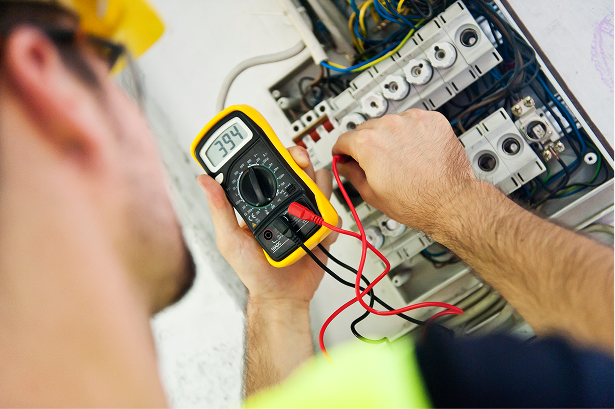
Auto vs. Residential vs. Commercial Electrical: Choosing Your Path
If you're exploring electrician training courses and deciding between auto electrician training for cars or residential and commercial electrical systems, you're not alone. Both paths offer stable, high-demand careers in the electrical trade, but they differ in skills, tools, and daily work. With the rise of electric vehicles (EVs) and smart buildings, now's a great time to dive in. This post compares auto electrician training with residential and commercial electrician training, highlighting key differences to help you choose the right fit. Whether you're eyeing auto electrician training or broader electrician training courses, we'll break it down with insights from job postings and industry trends.
What Is Auto Electrician Training?
Auto electrician training focuses on the electrical systems in vehicles, from cars and trucks to EVs and hybrids. This path combines electrical knowledge with automotive mechanics, teaching you to diagnose and repair wiring, batteries, alternators, and advanced systems like infotainment and autonomous driving tech.
Key aspects include:
- Core Skills: Reading automotive schematics, troubleshooting sensors, and working with high-voltage EV systems.
- Tools: Multimeters, scan tools, and specialized diagnostic software.
- Training Duration: Often 6-12 months through trade schools or apprenticeships, with hands-on labs simulating real vehicle repairs.
- Certifications: ASE (Automotive Service Excellence) certifications are key, plus EPA 609 for automotive HVAC training if handling refrigerants.
Automotive roles are booming due to the EV shift—expect jobs in dealerships, repair shops, or even manufacturing plants like Tesla or Ford.
For more on starting in auto, check our guide on how to become an auto mechanic.
What Is Residential & Commercial Electrician Training?
Residential and commercial electrician training, often part of broader electrician training courses, covers electrical systems in homes, offices, and commercial buildings. You'll learn to install, maintain, and repair wiring, outlets, lighting, panels, and larger systems like HVAC integrations or data center wiring, ensuring compliance with building codes.
Key aspects include:
- Core Skills: Blueprint reading, circuit installation, and safety protocols for high-voltage work in varied environments.
- Tools: Wire strippers, voltage testers, and conduit benders.
- Training Duration: Typically 4-5 years via apprenticeships, including classroom time and on-the-job hours (e.g., 8,000 hours for journeyman status).
- Certifications: State licenses, OSHA 10 for safety, and possibly NABCEP for solar integrations in buildings.
This path suits those who enjoy construction and building projects, with opportunities in booming areas like Arizona's semiconductor plants. Learn more in our apprentice electrician guide.
Cars vs. Residential & Commercial: A Side-by-Side Comparison
To make it clear, here's a table comparing the two paths based on our analysis of job postings and BLS data:
| Aspect | Auto Electrician (Cars) | Residential & Commercial Electrician |
|---|---|---|
| Focus Areas | Vehicle diagnostics, EV batteries, automotive HVAC training | Wiring installations, code compliance, smart building tech |
| Training Length | 6-12 months (trade school or certification-focused) | 4-5 years (apprenticeship with required hours) |
| Key Certifications | ASE series, EPA 609 | State journeyman license, OSHA 10 |
| Average Salary (2025 BLS) | $55,000–$75,000 (higher with EV specialization) | $60,000–$80,000 (varies by state and experience) |
| Job Demand | High due to EVs; roles in auto shops and tech firms | Steady; growth in construction and renewables |
| Work Environment | Garages, fast-paced with tech tools | Job sites (homes/offices), physical with ladders and conduits |
| Pros | Quick entry, tech-forward, variety in vehicles | Long-term stability, potential for own business |
| Cons | Constant tech updates, exposure to fumes | Longer training, weather-dependent outdoor work |
Data sourced from BLS and our proprietary job board analysis. For entry-level insights, see our essential certifications for electrical jobs.
Pros and Cons of Each Path
Auto Electrician Training (Cars)
- Pros: Faster to start earning; exciting with new tech like EVs; combines electrical and mechanical skills. Ideal if you love cars—check if you need ASE certification.
- Cons: Vehicles evolve quickly, requiring ongoing automotive HVAC training; potentially lower starting pay than licensed residential/commercial roles.
Residential & Commercial Electrician Training
- Pros: Builds to a licensed career with higher earning potential; diverse projects from homes to commercial data centers. Ties into energy priorities—read more in electrician career energy.
- Cons: Builds to a licensed career with higher earning potential; diverse projects from homes to commercial data centers.
Both paths value hands-on experience, so consider apprenticeships for real-world practice. Explore local options on our apprenticeships page.
How to Get Started in Either Path
- Assess Your Interests: Take our find your trade quiz to see if cars or residential/commercial suit you.
- Pursue Training: For auto, start with ASE prep; for residential/commercial, aim for an apprenticeship. Our Career Accelerator programs offer flexible online options.
- Get Certified: Boost your resume with trending creds like EPA 608 or OSHA 10.
- Build Experience: Use our jobs board to find entry-level roles or apprenticeships.
- Financial Aid: Check options on our financial aid page, including WIOA for eligible programs.
Veterans? See tailored support on our veterans page.
FAQ: Common Questions on Electrician Training
What's the difference between auto electrician training and automotive HVAC training?
Auto electrician training covers overall vehicle electrical systems, while automotive HVAC training focuses on air conditioning—often requiring EPA 609 certification.
Do I need trade school for electrician training courses?
Not always—apprenticeships provide on-the-job learning. See our comparison in trade school vs. apprenticeship.
Which path pays more in 2025?
Residential & commercial electricians often edge out with licenses, but auto specialists in EVs can match or exceed—up to $80K+ with experience.
Can I switch from cars to residential/commercial later?
Yes, skills overlap, but you'll need additional training for codes and licenses.
Power Up Your Electrical Career
Whether you're drawn to the high-tech world of cars or the foundational work in residential and commercial buildings, electrician training courses open doors to rewarding careers. See if you qualify for our next cohort in Electrician Career Accelerator or HVAC Career Accelerator—flexible, online, and job-focused.
Ready to explore? Setup a call with our team to discuss your path.
Note: Salary and demand data based on BLS projections and our job postings analysis. Requirements vary by state.